
kla
fpga & electrical engineering intern
may - august 2025 | milpitas, ca
broadband plasma (BBP) division | input data adapter (IDA) team
managers: wes nakamura, rish patel
project mentors: frank chao, johnny trinh
tools: systemverilog, questa, vivado, python
company website | division website
The microchips inside smartphones and computers feature microscopic structures thousands of times thinner than a human hair. During manufacturing, high-speed optical cameras inspect millions of silicon chips for microscopic defects in real time. This project upgraded the specialized hardware chips responsible for compressing massive streams of image data coming from inspection cameras, ensuring chip factories can catch defects instantly without slowing down production lines.
intro
KLA builds the optical inspection and metrology tools chip fabs rely on to catch sub-micron manufacturing flaws. During wafer fabrication, high-speed optical systems scan silicon wafers and photomasks, capturing image data at hundreds of gigabytes per wafer. Their solutions broadly fall under three areas:
- Inspection: Optical and electron-beam tools that scan wafers and photomasks for flaws.
- Metrology: High-precision sensors that measure feature dimensions, layer thickness, and pattern alignment.
- Data Analytics: Software that analyzes defect maps to pinpoint manufacturing issues in real time.
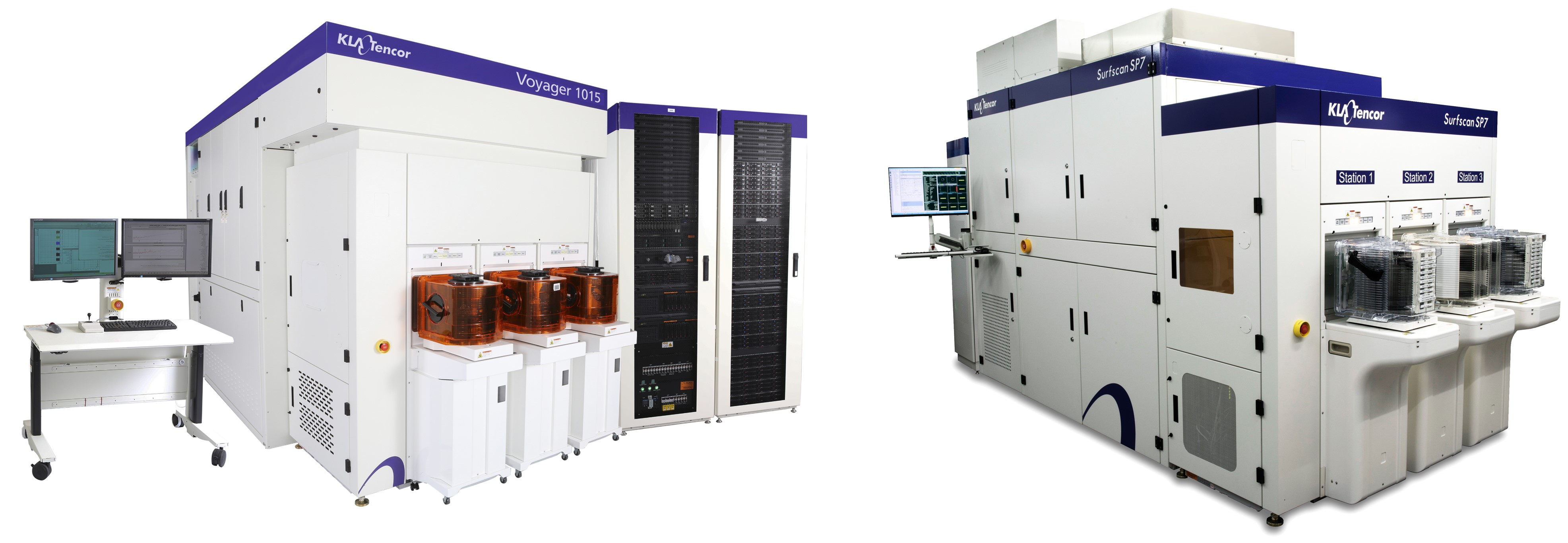
Examples of KLA inspection tools.
I worked in KLA’s Broadband Plasma (BBP) division, which develops brightfield optical inspection systems. These tools scan wafers using light wavelengths ranging from visible to deep ultraviolet (DUV). Electron-beam tools offer higher spatial resolution but are far too slow for high-volume manufacturing; brightfield optical inspection bridges that gap, balancing sub-resolution image fidelity with high wafer throughput.
Read more about KLA’s BBP tools in this article.
my work
At production speeds (processing hundreds of wafers per hour), raw image data transfer becomes a severe system bottleneck. To process data at line speed without slowing down inspection, we offloaded lossless image compression to a reconfigurable FPGA card.
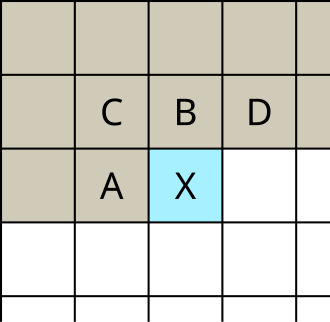
Pixels A through D used to predict target pixel X in JPEG-LS.
The pipeline uses the JPEG-LS (lossless JPEG) algorithm. A spatial predictor estimates incoming pixel $X$ using neighboring context ($A$, $B$, $C$), encoding only the residual difference between predicted and actual values. For uniform intensity regions common in photomask geometries, run-length mode collapses identical pixel runs to maximize compression ratios while guaranteeing bit-exact data recovery.
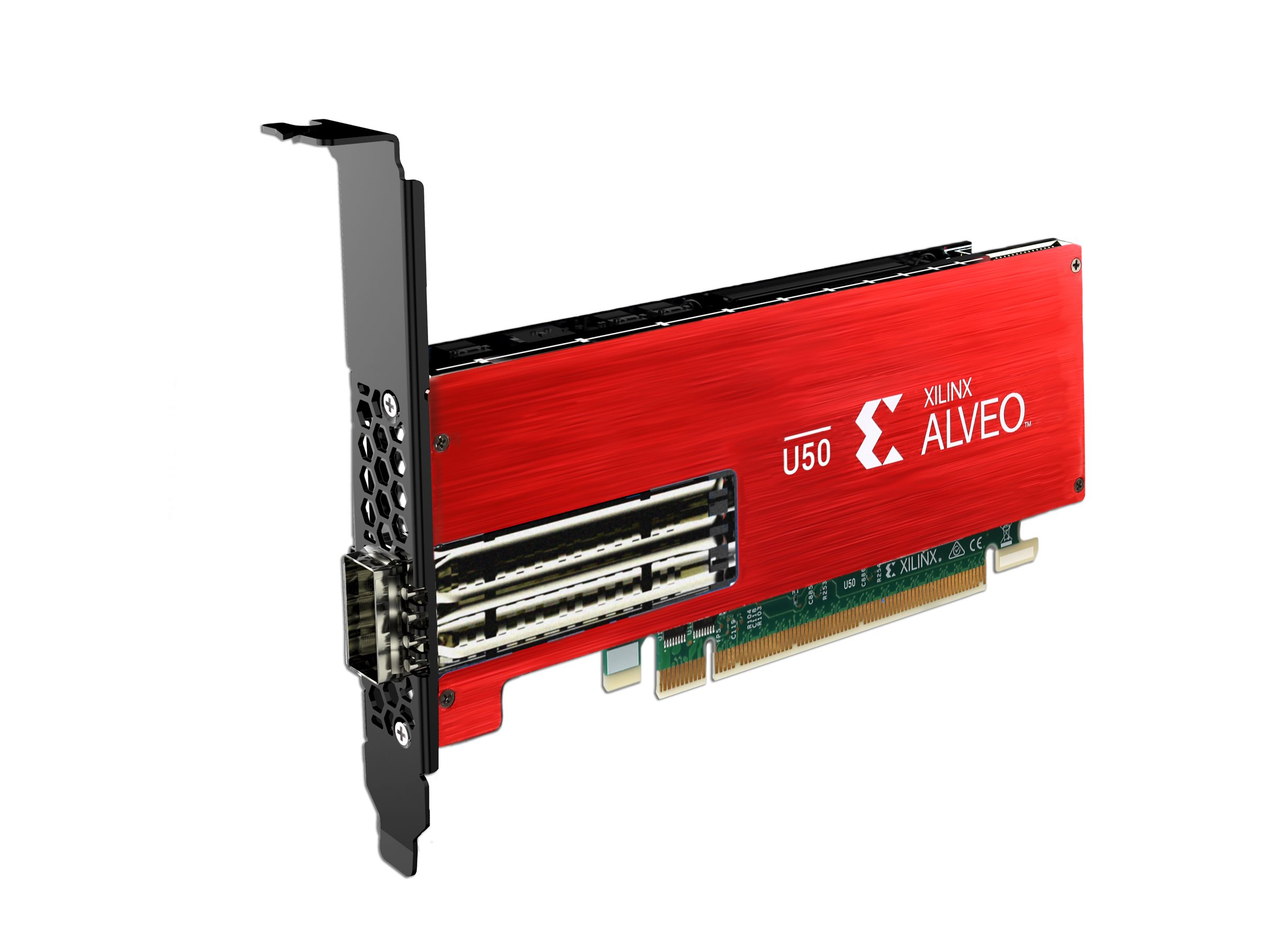
AMD Alveo U50 FPGA accelerator card targeted for this design.
I built and integrated a high-performance JPEG-LS decompression engine targeted for the AMD Alveo U50 FPGA card:
- Multi-Core Control Framework: Architected system-level control logic to handle parallel data distribution and frame reconstruction across multiple decompression cores without dropping line synchronization.
- RTL Debug & Simulation: Used Siemens Questa for SystemVerilog RTL simulation and AMD Vivado IP Integrator for hardware synthesis, resolving core-interface timing issues and frame-stitching boundary bugs.
- Hardware Validation: Optimized resource utilization on the Alveo U50 and verified end-to-end pipeline throughput on KLA’s hardware-in-the-loop benchmarks.
photos
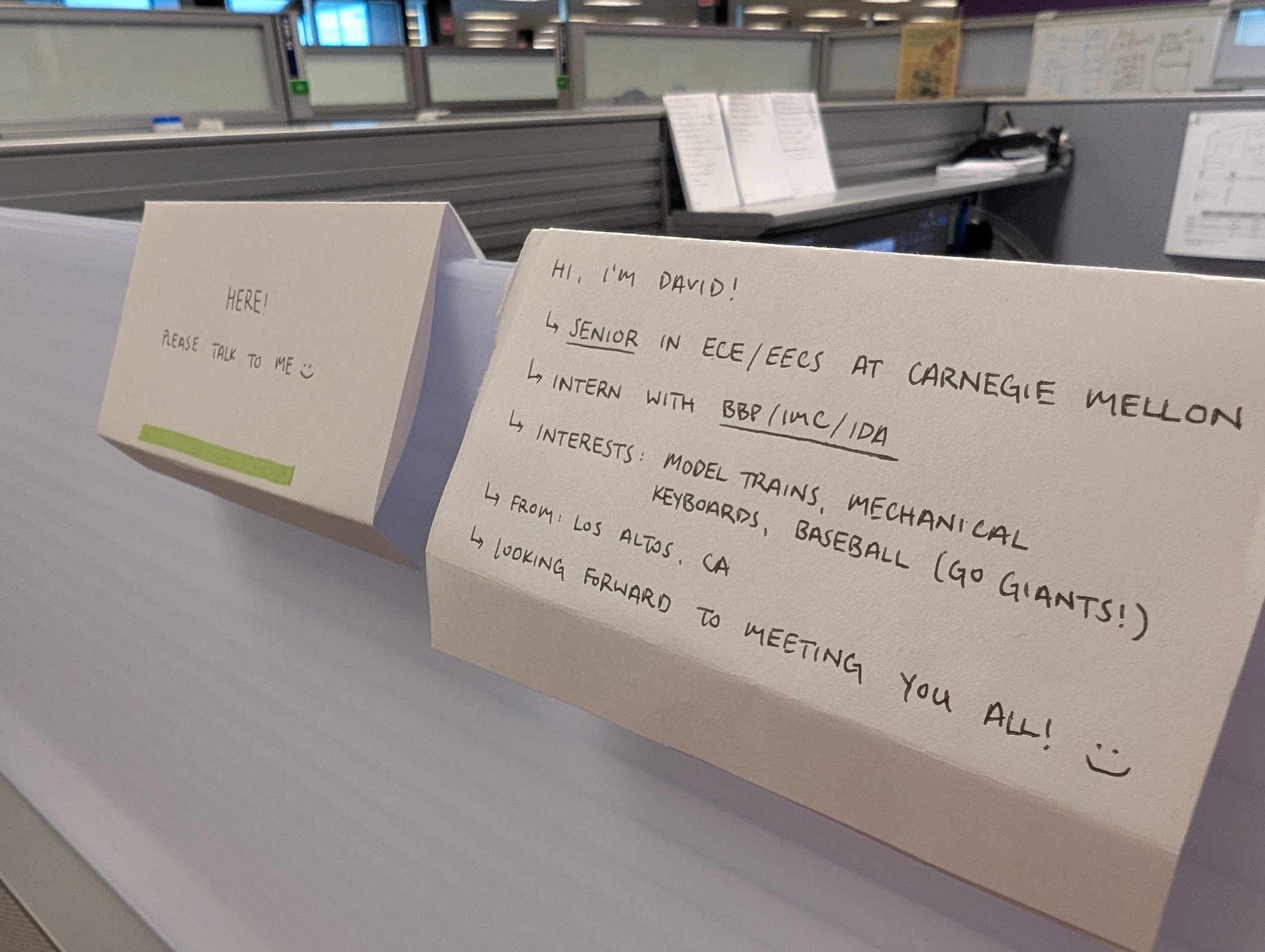
Introduction/status cards I made for my "box" (cubicle)
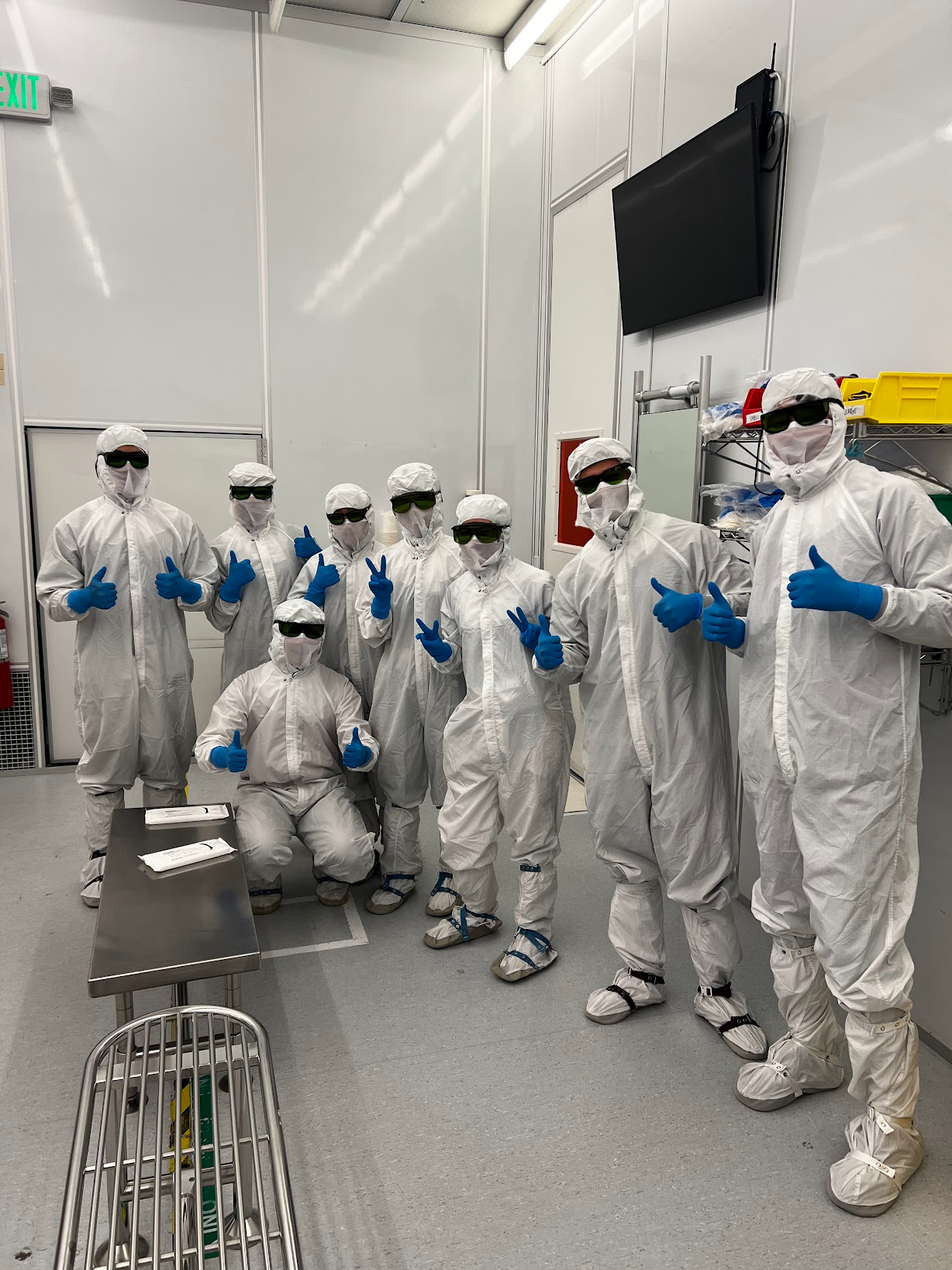
Intern tour of the clean room; me in a bunny suit!
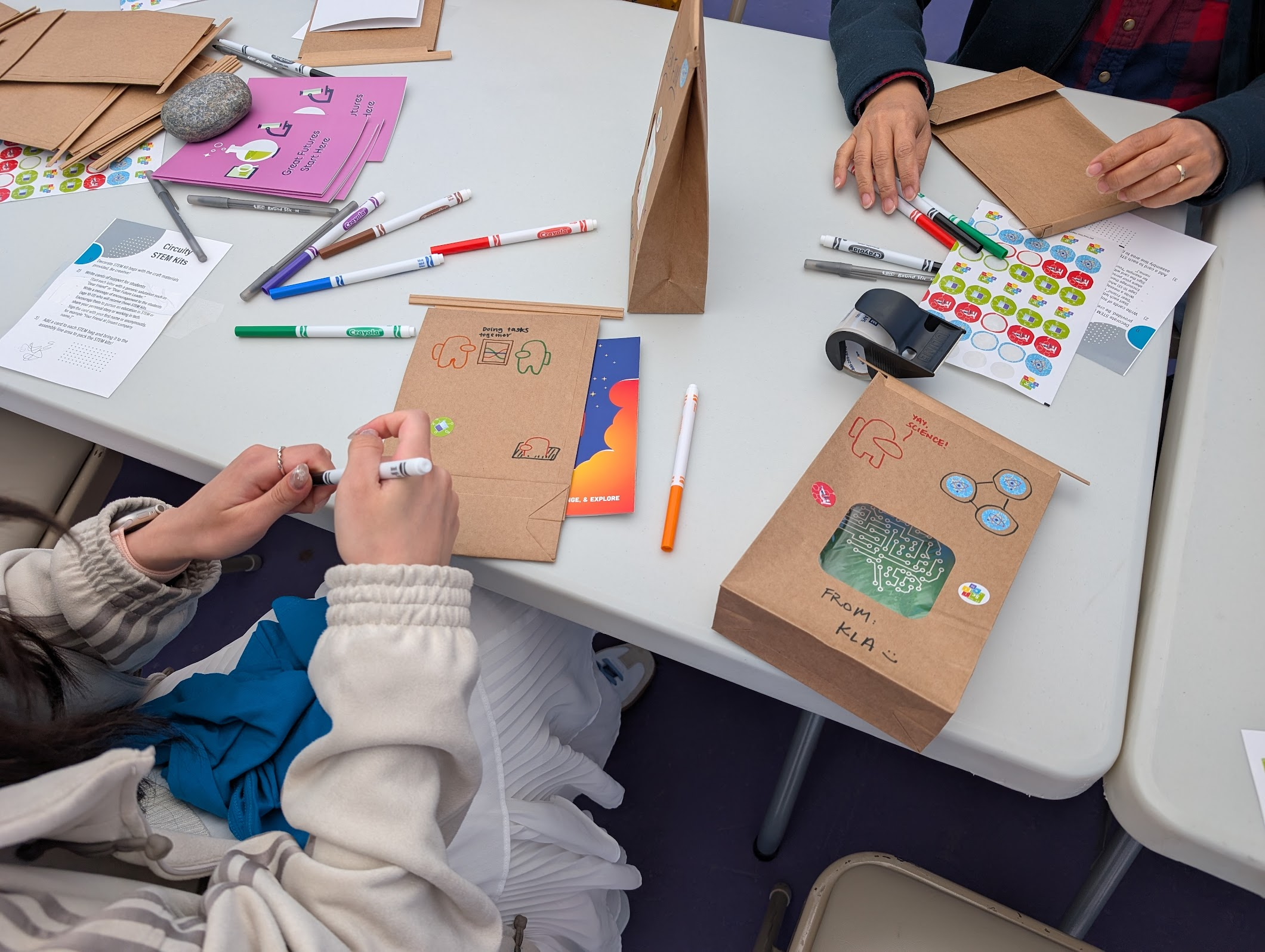
Making electronics kits for local high school students with the KLA foundation
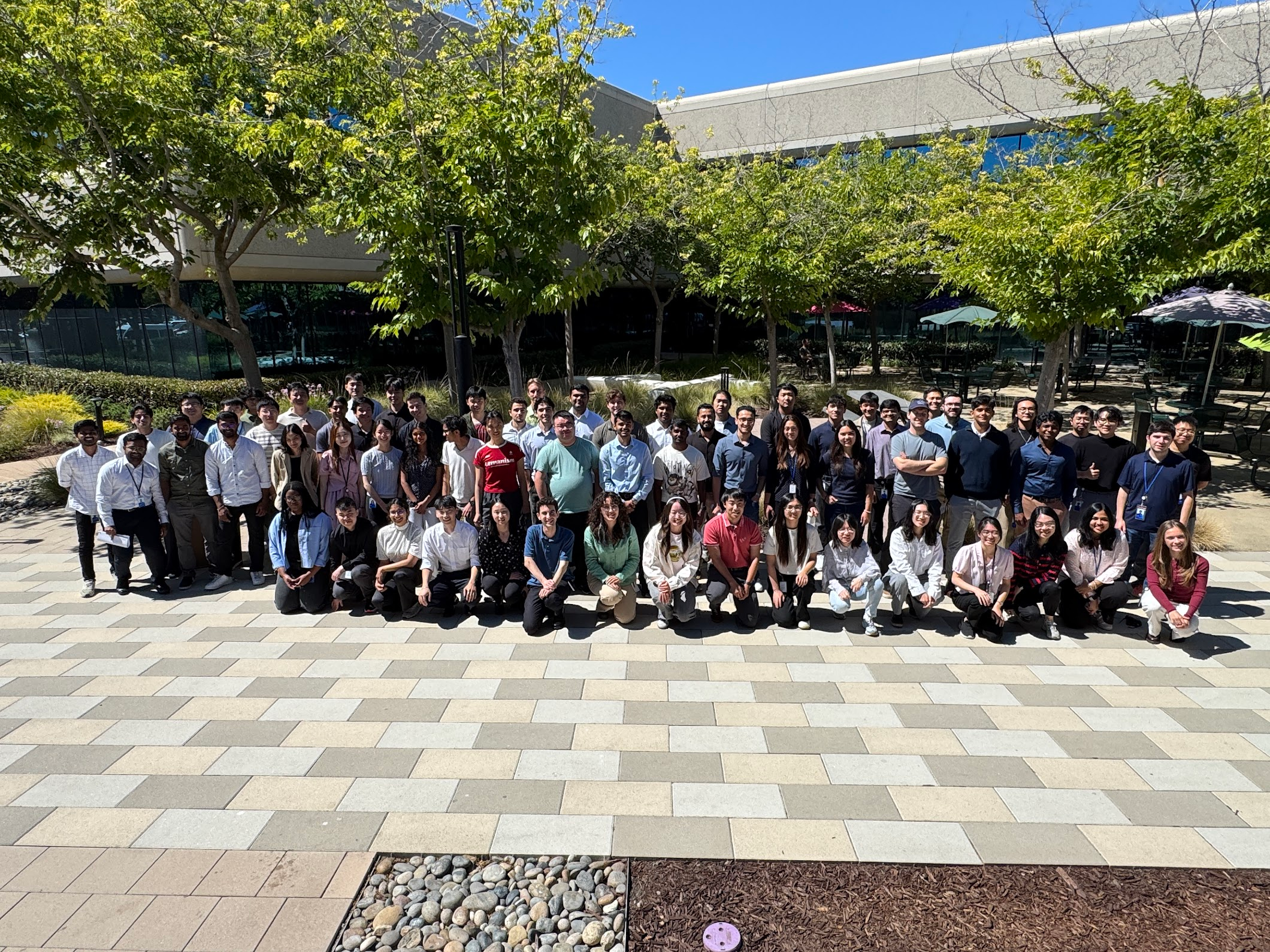
Group photo of all the Milpitas HQ interns
acknowledgements
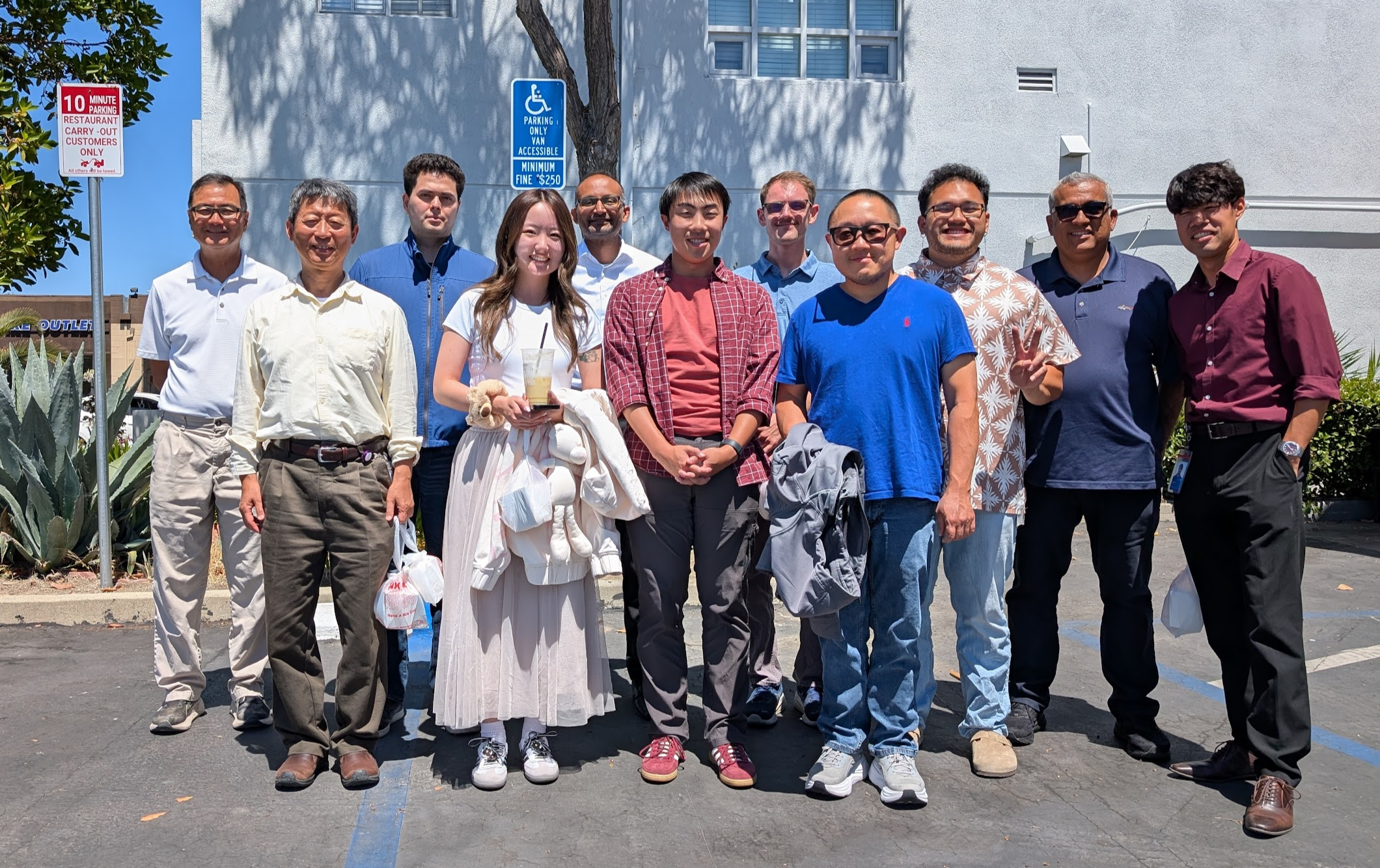
IDA team photo, August 2025
A massive thank you to the IMC/IDA team for welcoming me with open arms. From competitive pickleball and boba runs to sharing our mechanical keyboard builds and putting fences together, I had an absolute blast.
To my managers, Rish Patel and Wes Nakamura: thank you for the endless mentorship and for trusting me with such a critical project. And to Coen Warmenhoven and Natalie Cooper: thank you for opening the door to this unforgettable summer.
Thanks also to Johhny Trinh for inspiring me to make this website in Jekyll :)